
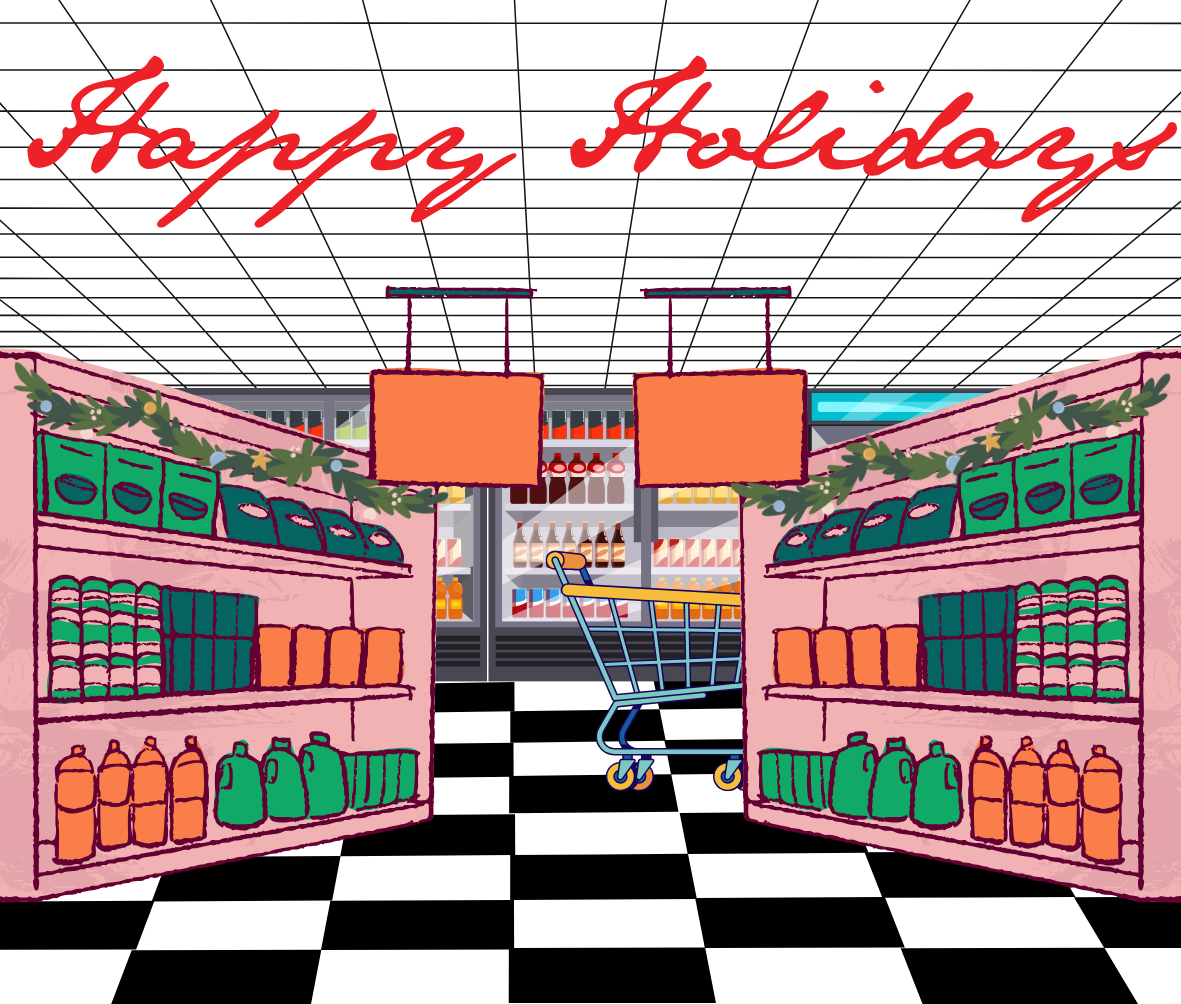
Every year around November, there seems to be a shift that isn’t just related to the weather. Every retail store in the country appears to jump onto the “Early Bird Express” and deck the aisles with deals and sales on everything from an action figure to a toaster. This phenomenon has a name, and it’s referred to as the “Christmas Creep”. The creep extends the shopping period–which may sound good–but can cause consumers to spend more money than they bargained for. Days like Black Friday and Cyber Monday, the Friday and Monday following Thanksgiving, marked with discounts on electronics and devices, are often seen as the days to get the best deals on early Christmas shopping. However, the deals, while appearing great on paper, may not be what they seem. Combine this with other marketing and sales tactics, and suddenly shoppers are not saving as much money as they think they are.
Extensive research has been done to find how to get consumers to spend the most money. To begin with, items with a special deal are often located at the back of the store, forcing shoppers to walk past other things that they may not have wanted to begin with. At the same time, smaller compulsive purchases, like candy bars, are placed as close to the front of the store as possible, where innocent shoppers just might grab them on their way to the checkout line. Things the store wants people to buy, often the more expensive and profitable items, are positioned in the most visible spot at eye level, while items that don’t make as much money occupy the lower and higher shelvers.
Emotions are also used against shoppers. Whether it’s nostalgic gifts for others, or reliving fond childhood memories, the subtle things, like the sound of bells, the smell of pine or even certain colors can cause people to think about the holidays. Researchers say these senses can also calm people, or cause a feeling of generosity and joy that is closely linked to Thanksgiving and Christmas.
Retailers tend to play with prices before the season starts, artificially inflating the cost before it is marked down by the limited time promotion. Group deals, such as two-for-ones and similar deals, can be just as tricky. Because of the aforementioned inflated sale price, the deal is not worth the amount shoppers are led to assume. Stores will also add ‘.99’ to the end of a price to make the product seem cheaper, when in reality it is not. A mug priced at $19.99 seems more appealing than an identical mug costing $20.